
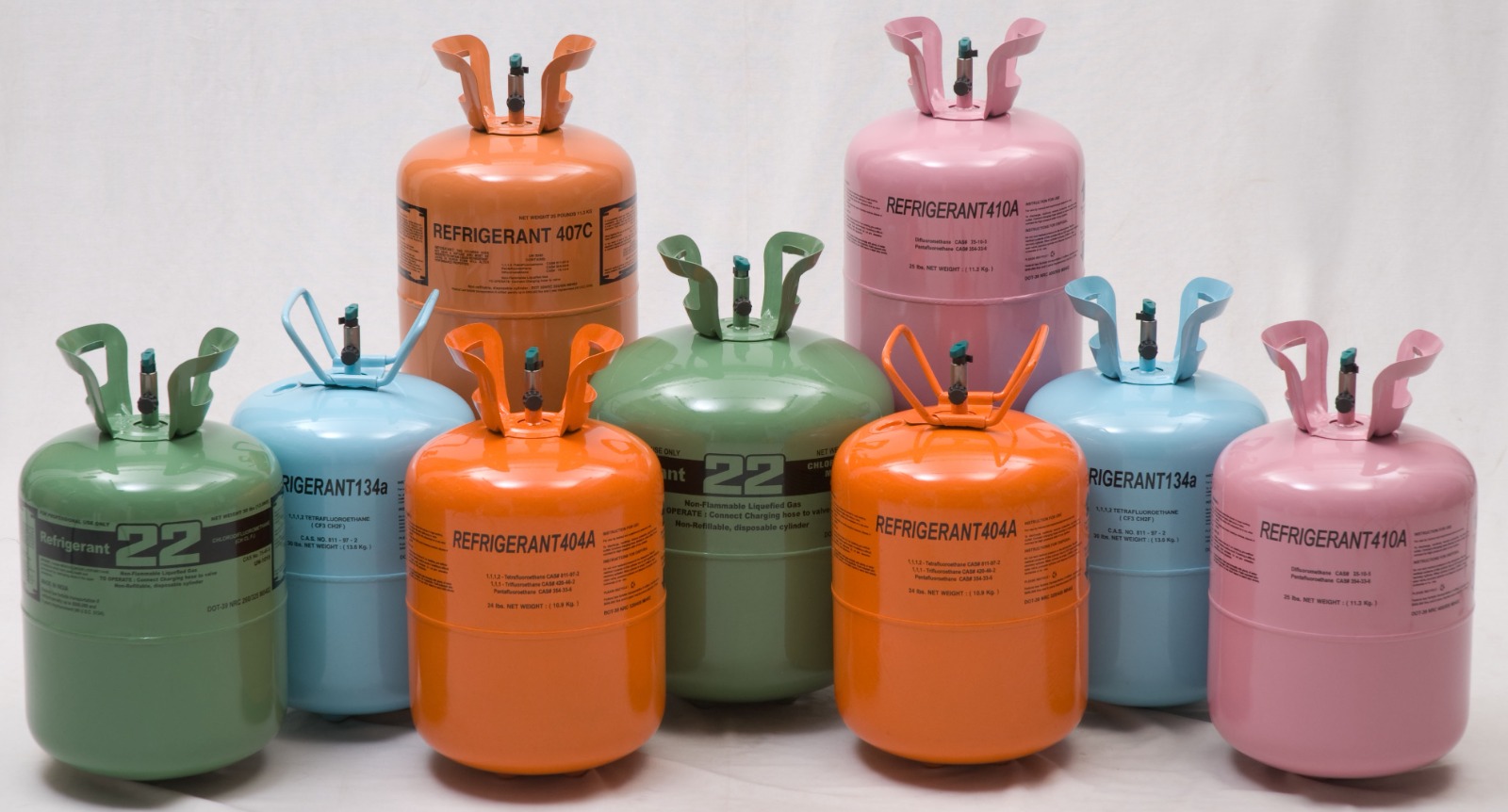
What Are Disposable Refrigerant Cylinders?
Disposable refrigerant cylinders are single-use, non-refillable containers pre-charged with refrigerant (CFCs, HCFCs, HFCs, or newer blends). Once used, these cylinders are designed for disposal and must never be refilled, in accordance with EPA regulations. This differs from reusable recovery cylinders. These disposables are colour-coded, with permanent “non-refillable” markings, and are regulated by both the EPA and the DOT (Department of Transportation) standards.
EPA’s Legal Framework: Section 608 & Cylinder Handling
Disposable cylinders fall under EPA Section 608, which regulates refrigerant handling and disposal:
- Technicians must hold an EPA Section 608 certification to legally purchase, handle, or dispose of regulated refrigerants.
- Refilling disposable cylinders is illegal and poses serious environmental and safety risks.
- Cylinders must be fully evacuated, and if not, they must be pierced using tools after recovering any residual “heel” refrigerant, as per SkillCat.
- Labels must include required EPA markings, warnings, and DOT compliance codes.
- Refrigerant remaining after service (called “heel”) must be recovered—not vented.
Certification and Sales Restrictions
Both sellers and end-users of disposable refrigerant cylinders must comply with EPA mandates:
Technician Certification
Only individuals with a valid Section 608 certification may legally buy regulated refrigerants or equipment that uses them. Sellers must verify and record certifications at the point of sale.
Recordkeeping and Tracking
Sellers are required to track all purchases, including cylinder types and buyer credentials, as well as batch and container serial numbers. These logs must be maintained for a minimum of three years.
Heel Recovery
Residual refrigerant that remains inside used cylinders, known as “heel,” must be recovered using EPA-certified recovery equipment. Venting this gas into the atmosphere is strictly prohibited.
Best Practices for Handling & Disposal
Proper handling and disposal procedures are crucial:
- Always use EPA-certified recovery equipment when servicing or emptying cylinders.
- Never attempt to refill disposable cylinders; they are designed with burst discs and thin-walled designs that are unsuitable for reuse.
- Once a cylinder is emptied, either:
- Let it sit under a vacuum for at least 15 minutes (self-purge), or
- Puncture it safely using an approved tool to release residual pressure.
- Dispose of cylinders in accordance with local and federal guidelines, often through certified metal recycling.
- Retain all purchase and usage records for compliance with EPA audits.
Why Strict Regulation Matters
Environmental Impact
Refrigerants are often potent greenhouse gases with high Global Warming Potential (GWP). Even small leaks from improperly disposed cylinders can contribute to ozone depletion and climate change.
Operational Safety
Improperly handled or refilled disposable refrigerant cylinders can rupture, causing harm to people and property.
Legal Risk
As per Facilio, violating EPA Section 608 rules can lead to fines up to $57,617 per day, per violation. Certification fraud or failure to track disposal can also lead to permanent license revocation.
INOXCVA’s Approach to Compliance and Safety
At INOXCVA, our global leadership in cryogenic, gas transport, and specialty pressure vessels is accompanied by a deep commitment to safety and environmental standards. Our product philosophy aligns with the same principles governing proper handling of disposable refrigerant cylinders:
- Precision engineering that prevents leaks and emissions
- Strict testing and validation against international safety codes
- End-of-life protocols to ensure safe decommissioning and disposal
Our teams understand the full lifecycle responsibility of pressurized vessels, whether single-use or long-life. We support HVAC and industrial clients in training, certification guidance, and compliance consulting.
Conclusion
Disposable refrigerant cylinders offer convenience, but with that comes great responsibility. EPA rules under Section 608 are clear: cylinders must be handled, emptied, and disposed of in strict accordance with federal environmental standards. Refilling is prohibited; residual gas must be recovered, and only certified technicians are authorized to operate these systems.
At INOXCVA, we advocate for safe practices not just in cryogenics, but across all pressure containment systems. Whether you handle refrigerants or ultra-high-purity ammonia, the values of precision, safety, and environmental responsibility remain the same.
Connect with us today for trusted refrigerant cylinders designed for safe handling, precise usage, and reliable environmental compliance.