
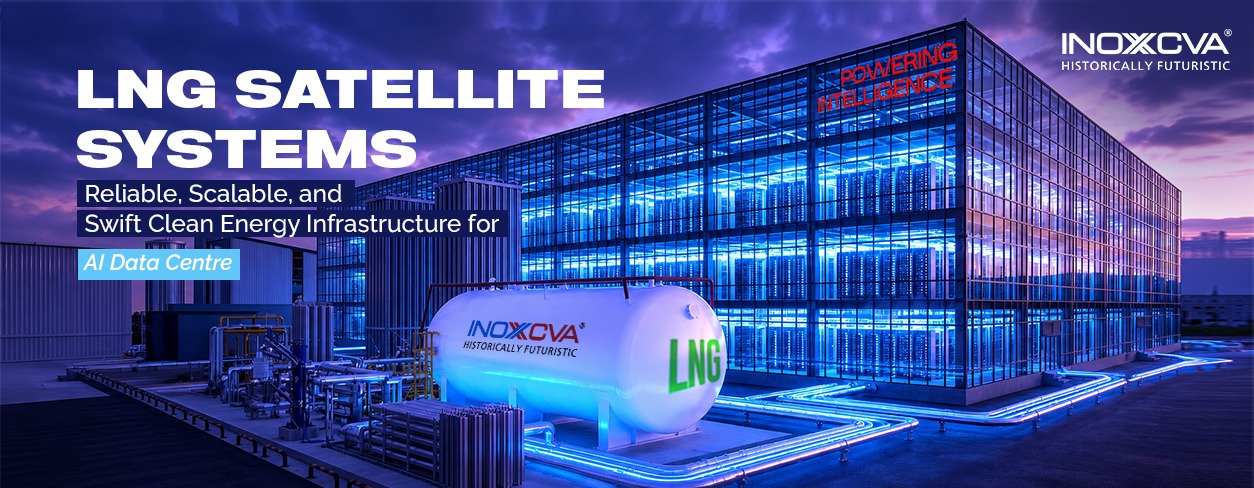
The global AI boom isn’t constrained by algorithms or ambition; interestingly, it’s constrained by power. As hyperscalers and enterprises race to deploy next-generation AI data centres, the sheer electricity demand is outstripping what traditional infrastructure can currently deliver. In many tech hubs, waiting for a new grid connection can take years, a timeline that simply doesn’t align with the “speed of AI”.
By leveraging LNG satellite systems, data centre operators are no longer tethered to the slow expansion of the electrical grid or physical gas pipelines. This decentralized approach to energy is rapidly becoming a viable option for high-performance computing (HPC) facilities that require immediate, high-capacity, and reliable power.
The Power Gap: Why AI Needs a New Energy Strategy
Traditional data centres were energy-intensive, but AI has changed the maths entirely. A single rack of AI servers can consume five to ten times the power of a standard cloud rack. This concentrated load creates “power pockets” where the local grid simply cannot keep up.
To bridge this gap, corporations are now turning to LNG infrastructure to create on-site power plants. Unlike diesel generators, which are primarily used for backup, liquefied natural gas (LNG) provides a cleaner, more cost-effective solution for enabling primary power generation.
The Role of LNG Satellite Systems
An LNG satellite system acts as a localised energy hub. It acts like a decentralised regasification unit, comprising cryogenic storage, vaporisers, pressure regulation, and gas delivery systems. It allows facilities to receive, store, and process natural gas in liquid form, which is then converted back into fuel with high efficiency. This setup effectively brings the power of a major LNG terminal directly to the doorstep of the data centre.
For operators, this offers several strategic advantages:
- Rapid Deployment: Modular satellite stations can be commissioned in 6-12 months to upgrade a utility substation.
- Off-Grid Independence: Data centres can be built in “stranded” locations where land is cheap and power is scarce.
- Scalability: As the AI workload grows, the energy infrastructure can scale by adding more modules.
Engineering Excellence: The INOXCVA Advantage
When it comes to the technical heart of the LNG storage systems, precision engineering is non-negotiable. This is where INOXCVA, a global leader in cryogenic solutions, is redefining the landscape.
With decades of expertise in vacuum-insulated cryogenic equipment, INOXCVA provides end-to-end LNG infrastructure that is specifically designed for high-stakes industrial applications like data centres. Our solutions cover the entire value chain:
- Next-Gen Cryogenic Tech: INOXCVA’s engineering philosophy is built on decades of cryogenic excellence, which has delivered global LNG infrastructure, mini-LNG terminals, and complex cryogenic systems delivered for some of the world’s most demanding applications. From high-precision dispensers to ultra-reliable cryogenic pumps and vaporization units, our hardware is built for the most demanding industrial environments.
- Safety as a Core Metric: Every station we build prioritises risk mitigation. By layering advanced pressure-control systems with fail-safe valves, we ensure that refuelling even the largest LNG-powered vessels or heavy-duty trucks is a secure, uneventful process.
. - Modular Designing: We recognize that space and scale keep varying according to project requirements. Our LNG infrastructure is designed to be modular and highly adaptable, allowing us to pivot from compact refuelling points to massive, utility-scale satellite stations without a hitch.
- Zero-Friction Compatibility: To keep your logistics moving, our systems offer universal compatibility. Whether it’s a long-haul bus fleet or a specialized truck, our stations interface seamlessly with all standard LNG fuel tanks to eliminate downtime.
- Measurable ESG Impact: Transitioning with INOXCVA is a strategic move toward decarbonization. By replacing diesel with the cleaner-burning LNG, we help our partners reduce CO₂ output by 20-30% compared to diesel, and meet strict environmental mandates in today’s world.
By partnering with a manufacturer like INOXCVA, data centre developers can implement a “plug-and-play” energy solution that meets stringent international safety standards.
Sustainability and the Path to Net Zero
While the immediate goal is power availability, the transition to LNG also serves a broader ESG purpose. LNG is the cleanest-burning fossil fuel, producing significantly fewer CO₂ emissions and almost no particulate matter compared to coal or diesel. As one of the few companies globally with capabilities across LNG and liquid hydrogen systems, INOXCVA is uniquely positioned to enable this transition.
Furthermore, the infrastructure used for LNG storage and distribution today can serve as a transitional infrastructure pathway toward hydrogen-based energy systems. Companies like INOXCVA are already at the forefront of liquid hydrogen technology, meaning the “satellite” systems being built today are being engineered with the future in mind.
Why choose LNG Satellite Systems by INOXCVA?
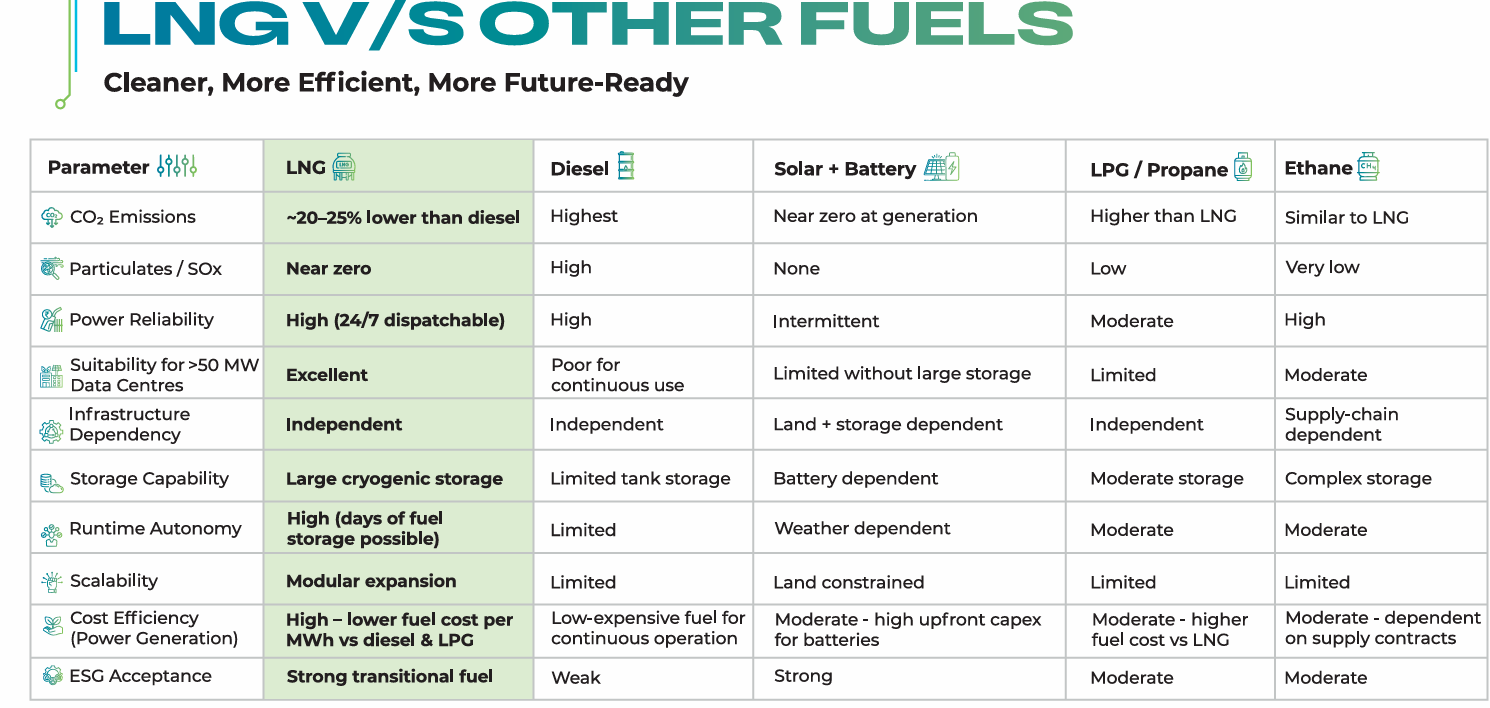
The Bottom Line
The constraint is real, but so is the opportunity to redesign how energy is delivered to the world’s most critical digital infrastructure. As AI reshapes industries, it will also reshape the infrastructure that powers it. By integrating small-scale LNG infrastructure into the design of the modern AI data centre, operators can bypass utility bottlenecks and take control of their own energy destiny. With the modularity of LNG satellite systems and the cryogenic mastery of partners like INOXCVA, the future of AI isn’t just fast; it’s fuelled by innovation.