
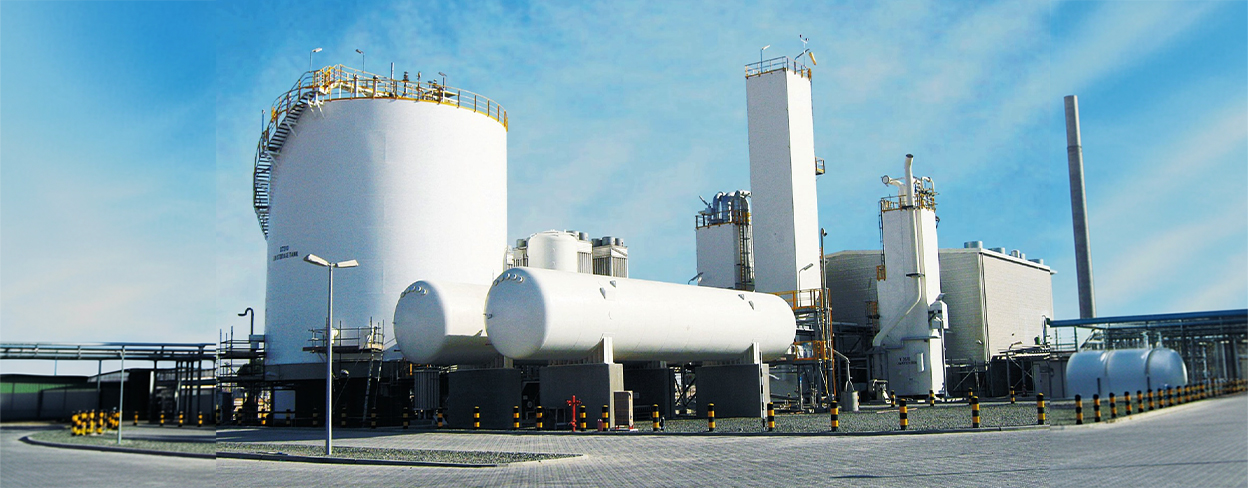
Designing a storage tank isn’t just about building a container. It’s a precise balance of engineering, safety, functionality, and material performance. Whether storing industrial gases, cryogenic liquids, or LNG, the success of any project begins with sound Storage Tank Design.
INOXCVA, a global leader in cryogenic and industrial gas equipment, exemplifies best practices with solutions that span bulk storage tanks, thermosiphon tanks, LNG tanks, and more. This guide breaks down the critical elements that shape storage tank design – materials, dimensions, and safety features – with real-world examples from INOXCVA’s offerings.
1. Define the Tank’s Purpose
Effective storage tank design begins with understanding what’s being stored and under what conditions. Key considerations include:
- Type of fluid: Gas, cryogen, or liquid? Properties like corrosiveness, boiling point, and volatility matter.
- Temperature & pressure: What are the expected operating ranges, including extremes?
- Volume required: Daily, weekly, or reserve capacity?
- Environment: Will the tank face wind loads, seismic zones, or harsh weather?
INOXCVA tanks are engineered with these questions in mind. Their bulk storage tanks cover 4,000 to 1,000,000 litres, suitable for high-pressure cryogenic and gas storage across multiple environments.
2. Choose the Right Materials
Material selection ensures safety, durability, and compatibility with the contents. Key factors include:
- Stainless Steel (Austenitic): Used by INOXCVA for inner vessels and piping, it resists corrosion and performs under cryogenic conditions.
- Carbon Steel: Common for outer shells, offering structural integrity and cost efficiency.
- Cold-stretched vessels: Used in some models to improve strength-to-weight ratio and pressure tolerance.
For cryogenic storage, INOXCVA ensures thermal compatibility with vacuum-insulated designs and stainless-steel internals.
3. Get the Dimensions Right
Volume and footprint are vital to tank design. Consider:
- Orientation: Vertical tanks save space; horizontal tanks may suit height-limited installations.
- Wall thickness: Dictated by internal pressure.
- Insulation layering: Adds to the external diameter and must be accounted for in layout planning.
INOXCVA’s tanks are available in vertical and horizontal formats with modular footprints. Thermosiphon tanks, for example, feature extended leg height for ease of maintenance.
4. Prioritize Safety Features
A good storage tank design includes robust safety systems. Must-haves include:
- Pressure Relief Valves: To avoid overpressure accidents. INOXCVA’s thermosiphon tanks feature dual safety relief valves as standard.
- Leak Detection: Double-walled designs allow for early leak alerts.
- Corrosion Protection: Surface treatments and high-quality paints extend service life.
- Ergonomic Piping Layout: For safe and efficient operation and servicing.
All INOXCVA tanks are engineered with seismic and wind load resistance as per regional norms.
5. Insulation and Thermal Control
Especially important for cryogenic storage, insulation determines product stability and loss minimization:
- Vacuum Insulation: Minimizes heat transfer via conduction and convection.
- Perlite or Multilayer Insulation: Offers excellent thermal resistance.
- BOG Management: Proper insulation reduces boil-off gas losses in LNG and cryo-storage.
INOXCVA’s vacuum-insulated tanks are designed to minimize thermal ingress while maintaining pressure and temperature stability.
6. Regulatory Compliance
Any storage tank must adhere to strict standards to ensure operational legality and insurance validity. INOXCVA complies with:
- ASME (American Society of Mechanical Engineers)
- EN standards (European Norms)
- AS1210 (Australian Standard for Pressure Vessels)
Adhering to these codes guarantee product integrity, safety, and acceptance across global projects.
7. Plan for Maintenance and Monitoring
A well-designed tank should be easy to inspect, service, and upgrade. Consider:
- Access Points: Manways, ports, and lugs for lifting and servicing.
- Instrumentation: Liquid level transmitters, pressure gauges, and leak detectors.
- Maintenance Ease: Modular designs, accessible components, and clear service paths.
INOXCVA’s tanks feature thoughtful design touches like transmitter mounting provisions, ergonomic piping, and user-friendly maintenance layouts.
Real-World Application: INOXCVA in Action
INOXCVA integrates all the above design principles across its portfolio:
- Bulk Storage Tanks: Stainless steel inner vessels, carbon steel outer shells, capacities up to 1,000,000 litres.
- Thermosiphon Tanks: Designed for optimal gas withdrawal using natural convection; vacuum + perlite insulation, dual safety valves, vertical orientation.
- LNG Tanks: Custom-designed for cryogenic LNG applications with low boil-off and maximum thermal integrity.
Conclusion
A well-executed Storage Tank Design considers much more than just volume. From material science to pressure dynamics, insulation to regulatory codes, every detail matters.
INOXCVA exemplifies industry-leading tank design by delivering safe, compliant, and efficient solutions trusted worldwide. If you’re designing or sourcing a tank, work with a partner who understands science, the standards, and the stakes.