
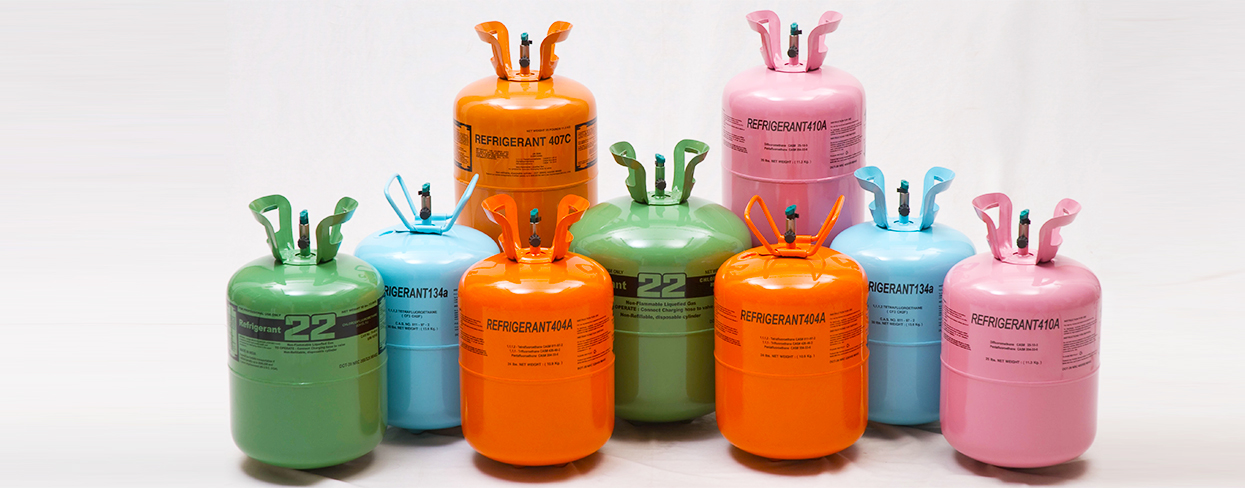
Handling a Refrigerant Gas Cylinder safely and efficiently begins with understanding its most critical component: the valve. Whether you’re an HVAC technician or a facility manager, proper valve handling ensures system integrity, personal safety, and regulatory compliance. INOXCVA, a global leader in gas and cryogenic solutions, manufactures high-performance valves that meet global standards and operational demands.
This guide draws on expert recommendations and practical insights to help you master the use of refrigerant gas cylinder valves, integrating real-world safety practices and INOXCVA’s engineering excellence.
Understanding the Valve’s Function and Design
The Refrigerant Gas Cylinder valve controls the flow of gas into and out of the cylinder. It consists of several essential parts:
- Valve Body: Typically made from stainless steel or brass for durability and corrosion resistance.
- Stem: Controls the opening and closing of the valve.
- Bonnet: Provides a protective cover for the stem.
- Handle: Allows manual operation.
This design ensures precise gas regulation, leak prevention, and safe system operation. It also acts as a safety mechanism by maintaining internal pressure within safe limits.
Types of Refrigerant Valves
Understanding valve types is foundational. Most Refrigerant Gas Cylinders use either:
- Manual Valves: Require physical adjustment to regulate the flow of gas.
- Automatic Valves: Use sensors and control systems for automated operation.
Familiarity with the type used in your system allows for more efficient troubleshooting and safer handling. INOXCVA manufactures valves compatible with both formats, built for a variety of refrigerant types, including HFCs and blends.
Tips for Proper Use
1. Wear Protective EquipmentBefore handling any cylinder or valve, wear gloves, goggles, and face protection. Refrigerants can cause frostbite, chemical burns, or respiratory issues if accidentally released.
2. Ensure the Valve Is Closed Before Maintenance
Always verify the valve is fully closed before connecting regulators or performing maintenance. This prevents unintentional gas release.
3. Check for Compatibility
Use valves rated for the refrigerant in your system. Using incompatible materials can cause corrosion or failure. INOXCVA ensures valve compatibility across modern refrigerants for safety and performance.
4. Operate Gently
Open valves slowly to prevent sudden pressure surges. Avoid over-tightening or forcing the handle, which can strip threads or damage seals.
5. Inspect for Wear and Tear
Regularly check for corrosion, leaks, and mechanical damage. Lubricate valve components as recommended to ensure smooth operation.
Safety Measures for Handling
1. Use Valve Protection Caps
Always secure valve caps when the cylinder is not in use. This protects the valve from dust, damage, or impact that could cause leaks.
2. Follow Proper Storage Guidelines
Store cylinders upright, secured in ventilated areas, away from heat, sunlight, or ignition sources. Overheating increases pressure and risk of rupture.
3. Transport Safely
Use hand trucks or trolleys for movement. Never drag or roll cylinders. Secure them during transport and always ensure valves are closed and capped.
4. Use in Ventilated Spaces
In enclosed areas, refrigerant leaks can displace oxygen and pose an asphyxiation hazard. Use gas detectors and ensure adequate airflow.
5. Train All Personnel
All users should receive training in refrigerant handling, valve operations, and emergency response procedures. Compliance with international regulations such as F-Gas or EPA standards is essential.
Maintenance Best Practices
Preventive maintenance reduces risk and prolongs valve life:
- Inspect valves regularly for wear, corrosion, or leaks.
- Lubricate moving parts using only approved lubricants.
- Replace damaged or ageing valves promptly.
INOXCVA valves are designed for longevity but require regular maintenance to ensure optimal performance under pressure.
Regulatory and Legal Compliance
Different regions have varying laws regarding the handling of refrigerants and the use of cylinders. Ensure you are familiar with local disposal guidelines, pressure equipment directives, and gas storage rules. Non-compliance can result in heavy penalties or hazardous exposure.
INOXCVA’s products are manufactured in compliance with ASME, PED, and international pressure vessel standards, offering peace of mind across jurisdictions.
Why INOXCVA?
INOXCVA offers a wide range of cryogenic and industrial gas solutions, including cylinders with precision-engineered valves. Their designs emphasize:
- Material integrity
- Operational safety
- Ease of use
- Regulatory compliance
Their global reputation is built on innovation, reliability, and rigorous quality control—ensuring that every Refrigerant Gas Cylinder performs at the highest level.
Conclusion
The Refrigerant Gas Cylinder valve may be small, but it plays an outsized role in refrigeration safety and system performance. By following proper procedures—from wearing PPE and ensuring valve compatibility to regular inspections and adherence to safety standards—you reduce risk and improve operational efficiency.
INOXCVA supports your journey with reliable products designed for real-world conditions. Choose wisely. Operate safely. And always respect the valve—it’s the gateway to every safe, efficient refrigeration system.